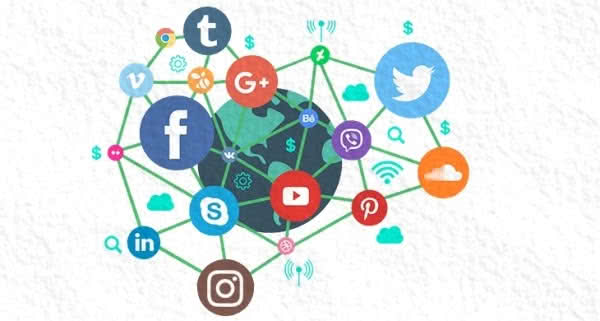
Let’s be real, our social lives are scattered. That hilarious tweet from 2015, those precious early Instagram photos, the niche community you built on a forum—they’re all trapped. Locked inside platforms that don’t really care about your right to leave, to change your mind, or to simply keep a souvenir.
It feels like digital quicksand. The harder you try to move, the more it holds you.
But what if you truly owned your digital footprint? What if you could pack your bags and go, without starting from zero? That’s the future we’re building. The era of closed gardens is ending. Welcome to the age of the social transfer.
What Exactly is a Social Transfer?
Think of it like this: it’s the process of moving your social identity. It’s not just downloading a messy JSON file full of code that nobody can read. A true social transfer means taking your content, your connections, and your influence with you.
This isn’t a niche techie dream anymore. It’s becoming a fundamental right for anyone who lives part of their life online. We’re talking about three core ideas:
- Data Liberation: Breaking your content free from its silo. Getting your photos, posts, and videos out in a usable, viewable format—not just a digital lockbox.
- Platform Independence: Reducing the risk of building your audience on borrowed land. The power to move should be in your hands, not a corporation’s.
- Digital Legacy: Ensuring your online presence isn’t lost. Deciding what happens to your accounts and memories.
The Messy Reality of Moving Your Data Right Now
Anyone who’s tried to download their Facebook data knows the truth: it’s a nightmare. You get a folder full of indecipherable filenames and HTML files that are a pain to navigate. Trying to move your Twitter followers to a new platform like Mastodon or Bluesky? Forget it. The process is manual, frustrating, and often impossible.
This isn’t an accident. Platforms have zero incentive to make leaving easy. This “stickiness” is how they keep their numbers up. You’re not a user; you’re a hostage.
A Glimpse at a Better Way: How Social Transfer Should Work
Imagine a service built not to trap you, but to empower you. A secure hub for your entire online social self.
- One-Click True Backup: We’re not talking about a data dump. Imagine a clean, elegant, and searchable archive of your social history. Your tweets, your Instagram captions, your Facebook memories—all in one place, formatted like a beautiful digital journal. That’s true data portability.
- Seamless Cross-Platform Moves: Thinking of jumping ship from Twitter/X? A proper social transfer tool would help you migrate your profile, and even notify your most engaged followers where to find you next. It’s about moving your community, not just your content.
- Your Content, Repurposed: That brilliant tweetstorm you wrote? It’s the foundation for a LinkedIn article. Your Instagram photo series? It’s a blog post waiting to happen. A social transfer platform gives you the tools to reuse and remix your own content across the web, breaking it free from its original cage.
- Plan for the Inevitable: It’s a tough subject, but who gets access to your accounts if something happens to you? A social transfer plan is a digital will for your online self, allowing you to grant access to a loved one to archive or memorialize your profiles.
This Isn’t Science Fiction. The Demand is Here.
Look at the rising chatter about the fediverse, the push for data sovereignty, and the general fatigue with tech giants. People are actively seeking alternatives and tools that give them back control. They are tired of the digital walls.
The question is no longer if we need to own our social data, but how we make it happen without pulling our hair out. The future of social media is decentralized, user-centric, and portable.
The first step is believing you have the right to leave. The next step is having the tools to do it gracefully.
The conversation about social data ownership is starting. It’s time to build the solution.